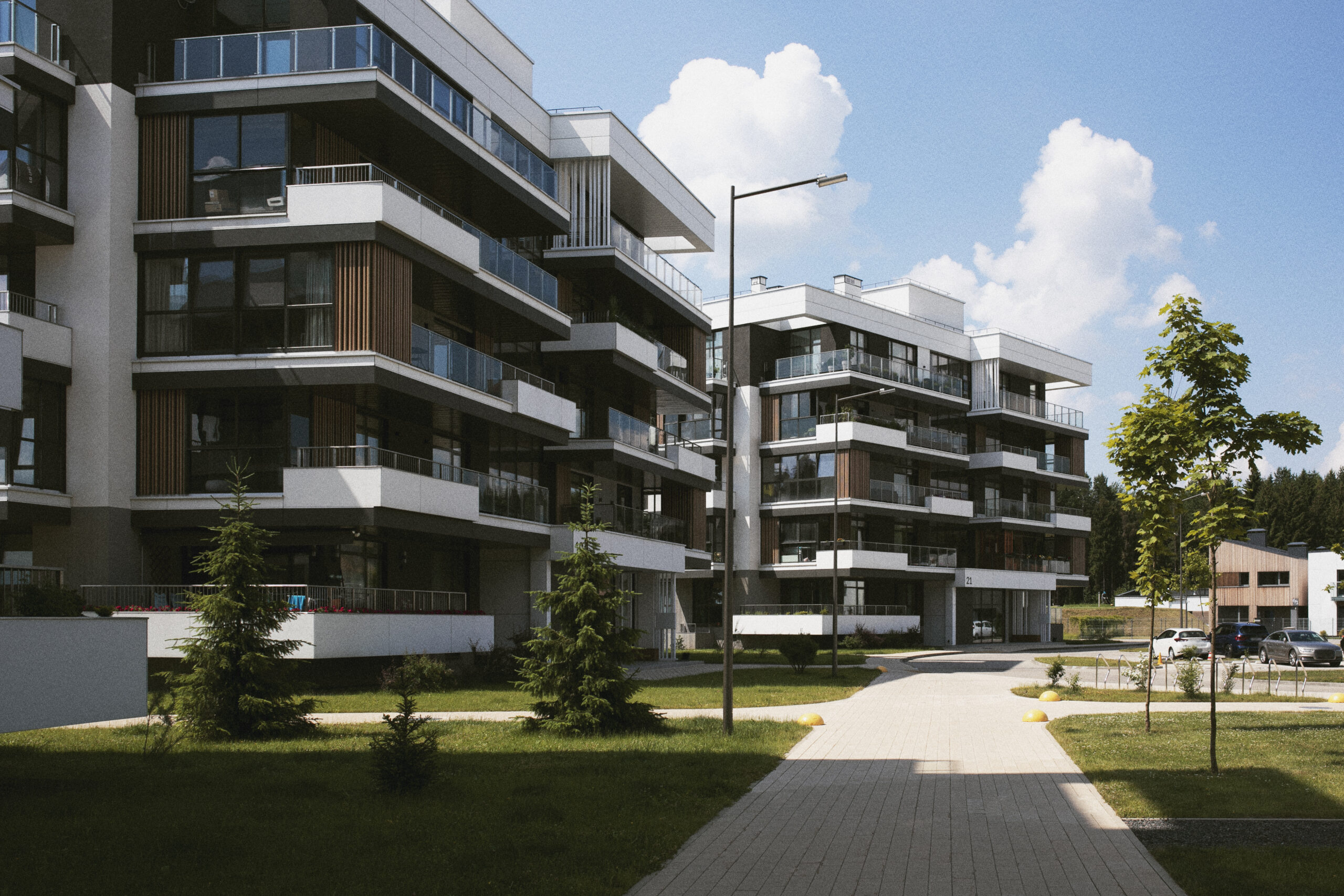
A home is a long-term investment.
The decision on the type of property you will purchase is a major and critical decision in your life, which may affect you for many years to come. For potential homeowners in Toronto and other major cities, there is always an ongoing debate on the better option to purchase – a condo or a house?
Doing a comparative analysis between the two will usually end up in you choosing the option that best suits your needs, which include your lifestyle and budget.
House vs. Condo: Which One is Right for You?
Planning to move to Canada? Deciding to settle down? Let’s take a closer look at your options when you choose to buy a property in Toronto or surrounding cities.
Condos
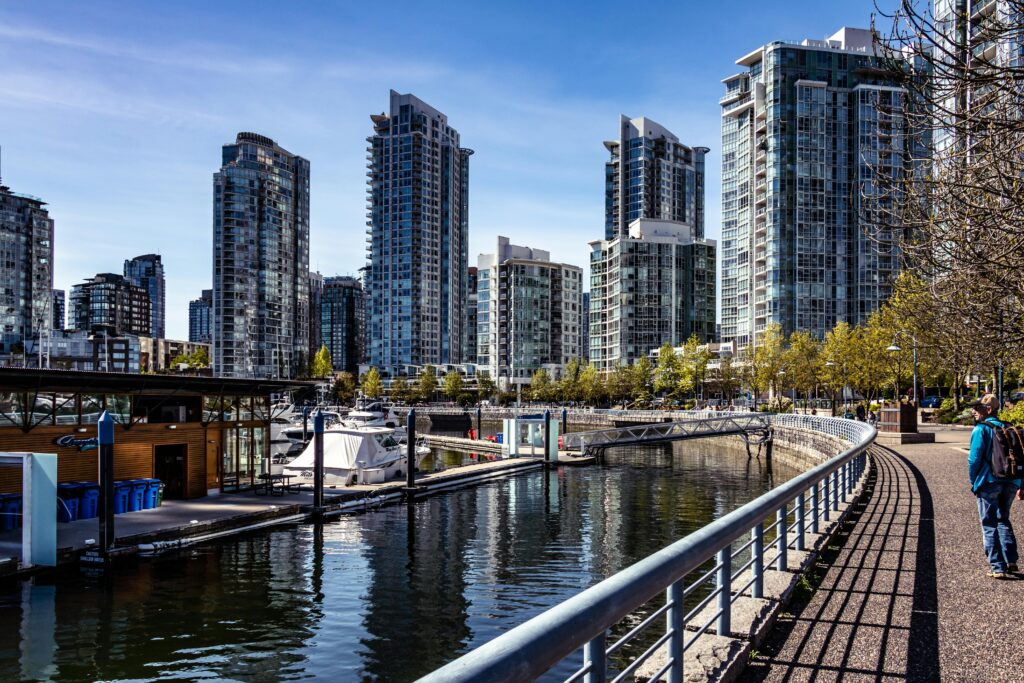
Condo buyers love this housing option because generally, there are always condos located near one’s place of work. In many instances, the condo owners do not need to commute to get to their office. Condos are also a stone’s throw from shopping centers, malls, entertainment, schools, hospitals, public transportation, and many other important amenities, many within walking distance. Condos offer the conveniences you wouldn’t normally have without commuting.
Owners of condos usually do not want to spend much time on house maintenance and would rather spend time on more productive activities. Condo owners usually do not mind sharing common areas. They also find it easy to budget as they are set a monthly cost.
The young people prefer condo living. Many of them also buy condos and live there for years until they can financially afford to move to more expensive detached houses. Recently, the trend has been slowly changing, though. More and more old couples and empty nesters who are hoping to downsize become condo fans.
House

The current cost per square foot is almost the same for a house and a condo. However, the ticket price for a house is higher.
House owners prefer more space and privacy than they have with their detached house. They also enjoy more flexibility in personalising their home. They can usually spend their money and time on maintenance. They are willing to take the tradeoffs with a house away from their place of work and public amenities. They do not mind commuting longer.
Cost Consideration
In 2007, the median in Canada for a condo was $420,000 against $522,000 for a house. Maintenance fees can be less with a condo compared to a house. The cost difference can be more significant when you compute the many years of incurring transportation and vehicle maintenance expenses, not to mention the lost hours in commuting daily.
The decision is yours to choose the better option.
Top Cities in Canada for Real Estate Investment
The top cities in Canada for real estate investment in 2020 were ranked by Pricewaterhouse Coopers (PwC) Canada. The rankings were based on 7 forecast economic indicators – real GDP growth, total employment growth, unemployment rate, household income per capita growth, population growth, total housing starts, and retail sales growth.
If you decide to buy real estate in Canada, here are the top cities you should consider.
1. Vancouver
Vancouver emerged at the top of the survey for overall real estate prospects. Among the top 10 cities, it has the highest household income per capita (3.1%) and the 2nd lowest unemployment rate of 4.4%. Its real GDP growth is 2.4%.
2. Toronto
The provincial capital of Ontario and Canada’s most populous city, Toronto, has the highest total employment growth rate at 1.9%, the 2nd highest population growth at 2%, and the 3rd highest retail sales growth (3.8%). It has the same real GDP growth as Vancouver (2.4%). First Access Condos offers hundreds of condo units for sale in Toronto and the Greater Toronto Area, including Mississauga, Maple, Oakville, and Concorde.
3. Ottawa
Canada’s capital has the 3rd highest total employment growth with 1.5% and household income per capita growth (2.6%) among the 10 cities.
4. Halifax
The Nova Scotia capital has the highest real GDP growth, along with Edmonton at 2.6% and a modest performance in the other indicators.
5. Montreal
Montreal, the largest city in Quebec province, has a high 2.7% household income per capita growth, 2nd highest along with Quebec City.
6. Quebec City
The capital of the province of Quebec is tied with Montreal for the 2nd highest household income per capita growth (2.7%)
7. Saskatoon
Saskatoon’s 4.4% retail sales growth is the highest among the top cities. Its population growth is likewise the highest (2.1%).
8. Edmonton
The capital city of Alberta, together with Halifax, has the highest real GDP growth at 2.6% It has the 4th highest retail sales growth (3.3%)
9. Winnipeg
The capital of the province of Manitoba along with Vancouver has the highest household per capita (3.1%). It also has the 2nd highest retail sales growth (3.9%).
10. Calgary
Rounding up the top 10 cities is Calgary. This cosmopolitan Alberta city has the 2nd highest real GDP growth at 2.5% and has 3rd largest population growth at 1.9%.
You cannot go wrong when you consider investing in Canada’s top ten cities to do real estate investment.
Choose the Property that Fits Your Life and Your Goals
Buying real estate is not just about owning property—it’s about making a long-term decision that aligns with your lifestyle, financial capacity, and future plans. Whether you choose a condo for its convenience and low-maintenance living or a house for its space, privacy, and flexibility, the right option is ultimately the one that supports how you want to live and grow.
Canada’s strong real estate market, especially in its top-performing cities, continues to offer solid opportunities for both homeowners and investors. By carefully weighing your priorities, understanding the true costs involved, and keeping long-term value in mind, you can make a confident and informed decision that turns your property purchase into a rewarding investment for years to come.